
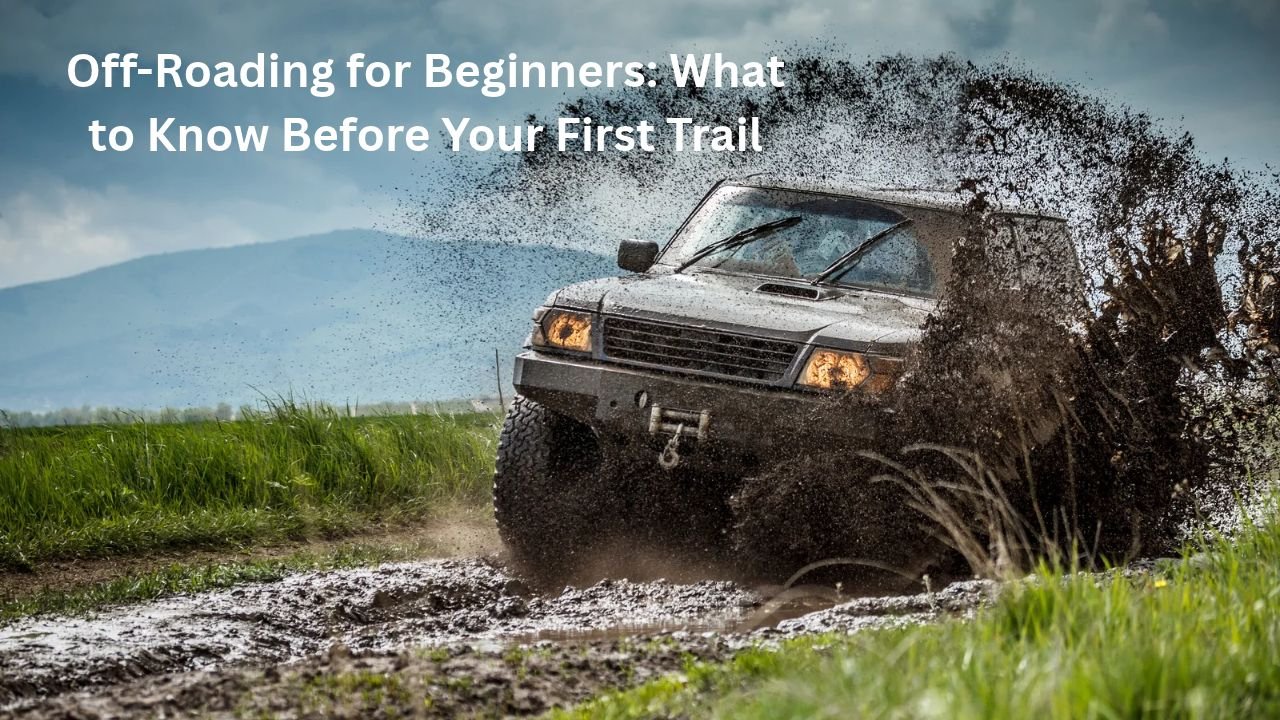
On every first trail ride, there’s a moment when the pavement ends, the tires crunch onto dirt, and you realize your vehicle can go places you’ve only seen in photos. That feeling is why people fall in love with off-roading. It’s also the moment new drivers discover how different dirt, rock, and sand feel compared to the highway. The good news is that a first trip doesn’t require a heavily modified rig or years of experience. It requires a little preparation, the right basic gear, and a willingness to go slow.
What Is Off-Roading, and Is It Hard for Beginners?
Off-roading means driving a vehicle on unpaved surfaces like dirt roads, gravel, sand, mud, and rocky trails. It isn’t hard for beginners if they choose the right trail. Most public trail systems rate routes by difficulty, and an easy-rated trail is typically a graded dirt or gravel road with mild obstacles that a stock four-wheel-drive vehicle can handle.
Start with an easy trail, in dry weather, during daylight. Save the rock gardens and deep water crossings for later.
What Vehicle Do You Need for Your First Trail?
You need a vehicle with four-wheel drive or all-wheel drive, reasonable ground clearance, and tires in good condition. A stock 4×4 truck or SUV is plenty for beginner trails.
Before you go, learn three things about your own vehicle:
- How to engage 4-High and 4-Low. 4-Low gives you more torque and control at crawling speeds.
- Where your recovery points are: these are frame-mounted hooks or loops rated to pull the vehicle. Tie-down loops used for shipping are not recovery points.
- Your clearance and angles. Know roughly how tall an obstacle your vehicle can clear without scraping.
What Gear Should Beginners Bring Off-Roading?
Beginners should bring recovery equipment, tire tools, and basic survival supplies. A solid starter kit includes:
- Recovery strap and rated shackles for getting pulled out if you’re stuck
- Tire deflator and portable air compressor for airing down and back up
- Full-size spare tire, jack, and lug wrench
- Traction boards for sand, mud, and snow
- Shovel for digging out tires
- First aid kit and fire extinguisher
- Extra water, food, and warm layers
- Paper map or downloaded offline maps, since cell service is unreliable on most trails.
- Work gloves and a flashlight or headlamp
Lighting deserves its own mention. Trail rides often run longer than planned, and factory headlights don’t throw much light to the sides or far down a dark trail. Auxiliary lights like these off-road lights help you spot ruts, rocks, and wildlife if you finish after sunset.
How Should You Prepare Your Vehicle Before the Trail?
Inspect your vehicle and lower your tire pressure. A quick pre-trip check should cover fluid levels, tire condition, the spare, battery terminals, and anything loose underneath.
Airing down is the single most useful beginner technique. Lowering tire pressure to roughly 15
to 20 psi on most trails lengthens the tire’s footprint, improving traction and softening the ride over rocks and washboard. Air back up to the manufacturer’s recommended pressure before returning to the highway.
Secure everything inside the cabin and cargo area. Loose items become projectiles on bumpy terrain.
What Driving Techniques Should Beginners Know?
The core rule is to go as slow as possible and as fast as necessary.
Beyond that:
- Pick your line. Look ahead and plan where each tire will go. Put tires on top of obstacles instead of straddling them.
- Use steady throttle. Smooth, consistent input keeps traction. Spinning tires dig holes.
- Let the gearing work downhill. Use 4-Low and first gear on steep descents instead of riding the brakes.
- Keep your thumbs outside the steering wheel. A wheel that kicks back over a rock can injure your hands.
- Get out and look. Experienced drivers walk an obstacle before driving it, not because they’re inexperienced.
What Are the Rules of Trail Etiquette?
Stay on marked trails, pack out everything you bring, and yield to vehicles traveling uphill, since they have a harder time restarting momentum. Never go alone. Travel with at least one other vehicle, and tell someone at home your route and expected return time. Check whether the area requires a permit or pass before you leave.
Where Should You Store Off-Road Gear at Home?
Recovery straps, traction boards, compressors, and muddy tools add up quickly, and they don’t belong loose in a garage corner. A dedicated outdoor storage spot keeps gear dry, organized, and ready to load. Compact options like these small storage sheds fit beside a driveway or along a side yard and keep trail equipment separate from household clutter.
Frequently Asked Questions
Can I go off-roading in a stock vehicle?
Yes. A stock 4×4 or capable AWD vehicle with good tires can handle easy-rated trails without modifications.
What tire pressure is best for off-roading?
Most drivers air down to about 15-20 psi for general trail use. Go lower only with experience, since very low pressure risks unseating the tire from the wheel.
Is it safe to go off-roading alone?
It isn’t recommended. A second vehicle provides recovery help and a ride out if something breaks.
What is the first upgrade a beginner should make?
Quality all-terrain tires and basic recovery gear improve capability and safety more than lifts or bumpers.
Every experienced off-roader started on an easy trail with a stock vehicle and a lot of questions. Prepare your vehicle, pack the essentials, bring a friend, and choose a route that matches your skill level. The harder trails will still be there when you’re ready.





Add comment