
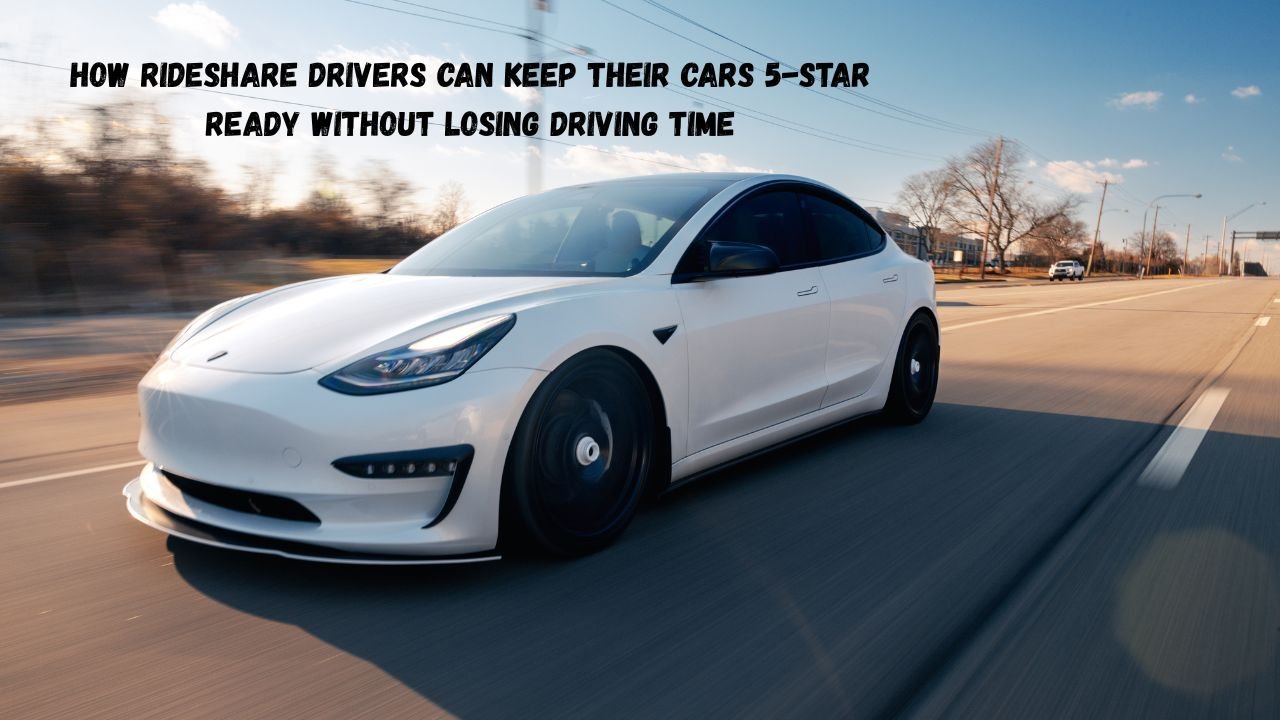
Every rideshare driver knows the tension. A clean car gets better ratings and better tips. But every minute spent cleaning is a minute not earning fares.
That trade-off doesn’t have to be as steep as it feels. With the right habits and the right professional support, staying 5-star ready doesn’t mean sacrificing hours you could be driving.
Why Cleanliness Actually Affects Your Bottom Line
This isn’t just a nice-to-have. Cleanliness ties directly to income for anyone driving rideshare.
Riders rate what they notice in the first few seconds. Crumbs on the seat, a lingering odor, streaked windows, these register instantly and shape the rating before the ride even starts.
Ratings affect more than ego. Consistently low scores can limit access to higher-paying trip requests and, in some cases, put your account status at risk.
Tips follow the same pattern. A clean, comfortable car signals that you take the job seriously, and passengers notice that effort.
What an Hour of Downtime Actually Costs You
Most drivers never actually calculate this, but it’s worth doing once.
After fuel, maintenance, depreciation, and insurance are factored in, real rideshare earnings often run 40 to 60 percent lower than the gross numbers shown in the app. That’s the number that should guide how you value your time.
If your realistic net hourly rate lands somewhere between $15 and $25 depending on market and shift, an hour lost to cleaning or waiting at a car wash is an hour of real income gone, not just app-displayed earnings.
That math changes the calculation. A two-hour trip to a full-service shop on a Tuesday afternoon might cost you $40 or more in lost earning potential, on top of whatever the service itself costs.
The goal isn’t to avoid cleaning. It’s to make sure the time spent on it is as small as possible, and that any time handed off to a professional happens during hours you wouldn’t have been driving anyway.
The Two-Minute Between-Ride Reset
Small habits between rides prevent bigger messes from building up during a shift.
- Do a quick visual scan of the back seat and floor after every ride, before the next pickup.
- Keep a small trash bag clipped to the console so wrappers and cups never touch the seats.
- Carry a pack of wipes for quick spot-cleaning spills before they set.
- Crack a window for thirty seconds between rides if the last passenger brought in food or a strong scent.
None of this takes more than a couple of minutes. Done consistently, it prevents the kind of buildup that turns into a real cleaning project later.
The End-of-Shift Five-Minute Routine
One slightly longer routine at the end of each shift keeps the car from sliding into the “needs a full detail” zone too quickly.
Do a full trash sweep of the seats, floor, and door pockets before locking up for the night. Wipe down the high-touch surfaces riders actually notice: door handles, seat belts, and the center console.
A quick vacuum of the floor mats, even a fast pass rather than a deep clean, catches most of what accumulates during a busy shift.
Five minutes at the end of a shift is a fraction of what a full cleanup takes once mess has built up over several days.
Why DIY Alone Isn’t Enough Long-Term
Between-ride and end-of-shift habits handle the surface-level mess. They don’t handle everything.
Ground-in stains, deep odor buildup, and the kind of interior wear that comes from back-to-back passengers over months eventually need more than wipes and a vacuum. Rideshare vehicles simply see more wear than a typical commuter car, door slams, spills, muddy shoes, and the occasional forgotten item, all compounding faster than daily habits alone can manage.
At some point, a professional deep clean is what actually resets the car, rather than just managing the mess week to week.
Scheduling Professional Detailing Without Losing Earning Hours
The key isn’t avoiding professional service. It’s scheduling it during hours that weren’t going to be profitable driving hours anyway.
Mid-morning weekday slots, after the early commute rush but before lunch demand picks up, are often lower-earning windows for most drivers. That’s a smart time to book service rather than sitting idle waiting for the next ride request.
Speed matters as much as timing. A full multi-hour detail eats into the day regardless of when it’s scheduled, but a faster, mobile option changes that math. Booking express car detailing San Diego drivers can access directly at home or wherever the car is parked cuts the appointment down significantly compared to driving to a shop and waiting.
Picking a fixed recurring day each month, rather than waiting until the car clearly needs it, also helps. It turns detailing into a predictable part of the schedule instead of a reactive scramble that always seems to land during a busy earning window.
What San Diego Rideshare Driving Adds to the Mix
Driving rideshare in San Diego comes with its own specific mess patterns worth planning around.
Airport runs mean frequent luggage handling, which brings in more dust, dirt, and occasional scuffs than a typical local ride. Event traffic around Petco Park or the Convention Center often means back-to-back passengers in a short window, with little time between rides to reset.
Beach-adjacent pickups add sand and salt-air residue into the mix more often than inland driving would. For drivers regularly working coastal pickup zones, that means seats and floor mats accumulate grit faster than the same routes would inland.
Given those patterns, a service built around what the car actually needs, not a generic one-size-fits-all wash, tends to hold up better. A mini detailing package sized appropriately for a quick refresh between fuller details can be a practical middle option for drivers dealing with this kind of regular, moderate mess without needing a full detail every time.
Frequently Asked Questions
How often should a rideshare driver get a professional detail? Most full-time drivers do well with a full detail every two to four weeks, supplemented by daily between-ride and end-of-shift habits to manage the mess in between.
What’s the fastest way to deal with a spill between rides? Blot, don’t rub, using a wipe or microfiber cloth immediately after it happens. Catching a spill within the first minute or two prevents it from setting into the fabric and becoming a bigger job later.
Does a clean car really affect tips, or just star ratings? Both. Passengers who feel comfortable and notice a well-maintained car are more likely to tip, not just rate favorably, since a clean interior signals overall professionalism.
Is it worth getting ceramic coating just to reduce wash time? For high-mileage drivers, often yes. A quality coating repels dust and grime more effectively than bare paint, which can meaningfully cut down how often a full exterior wash is needed.







Add comment